
Spotting Fake OnlyFans Profiles Before You Pay
Fake profiles on OnlyFans are not a rare glitch. They are a predictable side effect of a platform where creators set their own prices and where no central directory exists.

Impersonation has a business model. A scammer copies a popular creator’s name, photo, and bio, then opens a page that looks close enough to fool a hurried visitor. The payoff comes from a subscription fee, a pay-per-view unlock, or a tip that never reaches the real person.
Why fake profiles exist at all
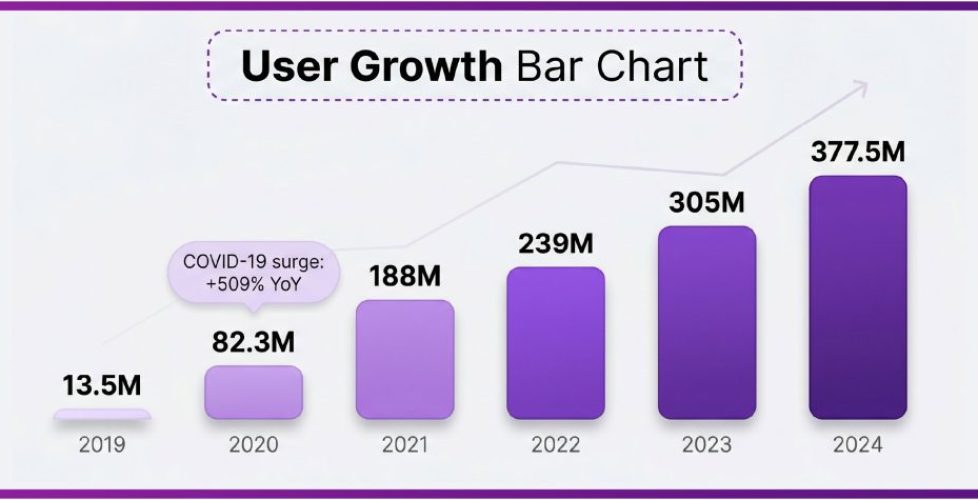
The platform reported huge growth across 2020 and the years after it, and that attention attracts people who want to convert curiosity into cash quickly. Because there is no built-in discovery feed or directory, users often arrive from a search engine, a social link, or a reshared image. A scammer only needs one of those routes to work.
The structure of the platform also helps them. Free pages are set to a price of $0 and earn through pay-per-view messages and tips. That means a fake page can collect money without ever asking for a subscription.
Run these checks in order when a profile is new to you:
Search the exact handle rather than the display name, because display names are easy to duplicate. Open the creator’s other public accounts and compare every handle character by character. Read the bio for a single link and confirm that it points where the bio claims. Check the posting dates to see whether the account has a real history or was created recently. Look at whether the page is free or paid, and note the number before any conversation starts.

Cross-platform consistency checks
Real creators repeat themselves. The same handle, the same link, and the same posting rhythm usually appear across every platform they use. A fake page tends to break that pattern in small ways, and those small ways are exactly where verification succeeds.
Mismatches that matter most:
- A handle that differs by one character, a swapped letter, or an added number.
- A bio link that redirects through a shortener instead of pointing to the official page.
- An account whose earliest post is only days old but whose bio claims years of activity.
- Photos that appear elsewhere under a different name when you run a reverse image search.
- Comment sections that are switched off or filled with identical replies from the same few accounts.
None of these alone proves fraud. Two or three together is a pattern worth walking away from. Consistency is cheap to verify and expensive to fake at scale.
Practical tip: before you subscribe to any page, open the creator’s link from a second source. If the bio on a social profile and the link on the paid page disagree, treat the page as unverified until you can explain the gap.

Language and caption patterns
Copied bios are common, and so are recycled captions that appear word for word on several profiles. Machine-translated phrasing shows up as stiff sentences, odd prepositions, and greetings that do not match the rest of the text. A real creator’s voice usually stays stable from post to post.
Payment expectations are also predictable. A paid subscription typically sits between $4.99 and $15, with most pages averaging $5 to $10. The platform-wide range runs from a $4.99 minimum to a $49.99 maximum, and there is no base price below $4.99.
What a month of paid access can cost:
- $4.99 as an entry-level monthly subscription.
- $5 to $10 as the typical range for most paid pages.
- $15 as a common upper end for a standard monthly tier.
- $49.99 as the maximum subscription price on the platform.
- Extra amounts for pay-per-view messages, which are separate from the subscription.
Remember the split when you evaluate a deal. The platform takes a 20% fee on subscriptions, tips, and pay-per-view, and the creator keeps 80%. If someone promises you a discount for paying outside the platform, they are not describing how the platform works.

Pressure tactics in messages
Scam outreach is written to shorten your thinking time. The first message often flatters you, the second creates a deadline, and the third moves the conversation off the platform. Real creators do not need to rush a stranger into a payment method.
Phrases that appear again and again in scam outreach:
- “This offer expires in the next few minutes.”
- “Pay me directly and I will give you a better rate.”
- “Send a gift card code and I will unlock everything.”
- “Use crypto so there is no record on the platform.”
- “Do not message me here, add me on another app instead.”
- “Just trust me, the link is safe.”
Any one of these is a stop signal. The pattern is urgency, then an off-platform route, then a payment method that cannot be reversed.

Payment requests that should never exist
Normal payments happen inside the account, appear on your statement as platform charges, and are covered by the platform’s own processes. Requests that leave the platform remove every protection you have. The table below separates the two.
| Payment type | Where it happens | Risk level |
| Monthly subscription | Inside the platform account | Standard |
| Tip | Inside the platform account | Standard |
| Pay-per-view unlock | Inside the platform account | Standard |
| Gift card code | Outside the platform | Unrecoverable |
| Crypto transfer | Outside the platform | Unrecoverable |
| Bank transfer to a personal account | Outside the platform | Unrecoverable |
If a request is not listed in the first three rows, treat it as a request you should not fulfil. There is no legitimate reason for a subscription payment to arrive as a gift card code. For a starting point, best onlyfans streamers collects free pages.

Reverse-checking claims against directories
Because the platform has no discovery feed, ranking sites exist to fill the gap. BestOnlyFans and similar directories collect profiles, sort them, and publish links so users can compare pages in one place. That is useful, but a directory is a snapshot, not a live feed.
Data goes stale for ordinary reasons. A creator changes a handle, a page switches from paid to free, or a listing is edited months after publication. A directory entry is a starting point for verification, not a substitute for it.
Mistakes to avoid when you use any ranking site:
- Assuming a listing proves the page is currently active.
- Trusting a handle without comparing it to the creator’s other accounts.
- Ignoring the difference between a free page and a paid page in the listing.
- Skipping the price check because the directory already showed a number.
- Clicking an ad instead of the profile link you came to verify.
One more detail is worth knowing before you subscribe anywhere. When a creator raises the subscription price, auto-renew stops, and existing access lasts until the current paid period ends. If a page advertises a low price and then changes it quickly, you keep what you already paid for, but you are not enrolled again at the new rate.
A ten-minute verification sequence
Ten minutes of checks is cheaper than a lost payment. Run the sequence below in order and stop as soon as two steps fail. The second table maps each check to the scam type it catches, which helps you decide how much weight to give a single warning sign.
- Confirm the exact handle across every platform the creator lists.
- Open the bio link and confirm the destination matches the claim.
- Check posting history for age and continuity.
- Read the bio and captions for copied or translated phrasing.
- Compare the stated price against the normal $4.99 to $49.99 range and the $5 to $10 typical average.
- Review the first message for urgency or off-platform pressure.
- Confirm that every payment route stays inside the platform account.
- Compare the page against the listing you found it through, and note any difference.
| Check | Scam type it catches |
| Handle comparison | Impersonation and clone pages |
| Bio link destination | Phishing and redirect pages |
| Posting history | Newly created fake accounts |
| Caption and bio wording | Copied or machine-generated profiles |
| Price comparison | Overpriced or bait-and-switch pages |
| Message pressure | Social engineering and urgency tactics |
| Payment route | Off-platform fraud and irreversible transfers |
| Directory listing comparison | Stale or edited listings |
If you are building a shortlist and want a starting point, the best onlyfans streamers list is one place to compare profiles before you run the checks yourself. BestOnlyFans entries are still snapshots, so verify each one against the creator’s own accounts.
If you already paid a fake
Act the same day. Report the profile through the platform’s own reporting route, then contact your card issuer or payment provider and describe the charge as a payment for a service that was not delivered. Keep screenshots of the conversation, the profile page, and the payment confirmation.
Expectations should stay realistic. Off-platform payments such as gift card codes and crypto transfers are effectively unrecoverable because there is no dispute mechanism attached to them. Payments made inside the platform are easier to trace, and a card issuer may still decline to reverse a charge if the service was technically delivered.
Recovery is slower than prevention. The layered method above costs about ten minutes, and it catches the two patterns that cause most losses: impersonation and off-platform payment requests. Verify the handle, verify the link, verify the payment path, and keep your spending limit fixed before the first message.
FAQ
How can I tell if an OnlyFans profile is fake?
Compare the exact handle across the creator’s other public accounts, check how old the posting history is, and look for copied or translated bio wording. Two or more mismatches together are a strong warning sign.
Can I check an OnlyFans page before subscribing?
Yes. The bio, posting history, stated price, and public social accounts are all visible before any payment. A ranking site can show a listing, but you still need to confirm it against the creator’s own accounts.
What should I do if someone asks me to pay off the platform?
Decline the request. Subscriptions, tips, and pay-per-view unlocks happen inside the platform account, and gift card codes, crypto transfers, and personal bank transfers have no dispute route.
Does BestOnlyFans verify every profile it lists?
Directories reduce the search problem but they are snapshots that can go stale. Treat any the ranking site listing as a starting point, then run your own handle, link, and payment checks before you spend.